
A note from the Foundation’s President:
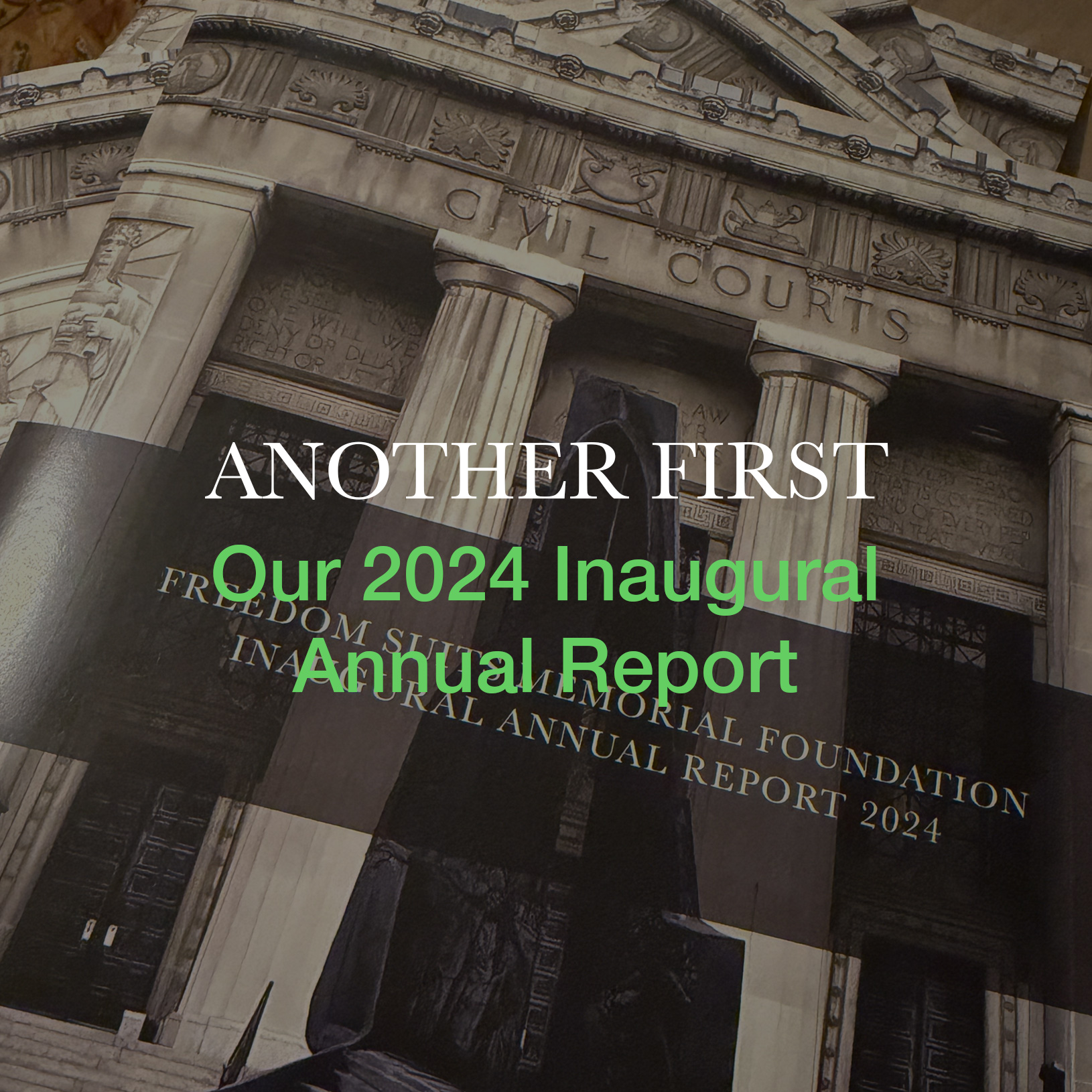
We are so excited to share with you our Inaugural Annual Report 2024, which displays some highlights and activities that occurred in 2024, our first full year of moving forward with our ambitious educational mission! We have also had a great 2025 and are targeting to have that annual report “published” by mid-April 2026. But for now, I want to tell you about our first Annual Report.
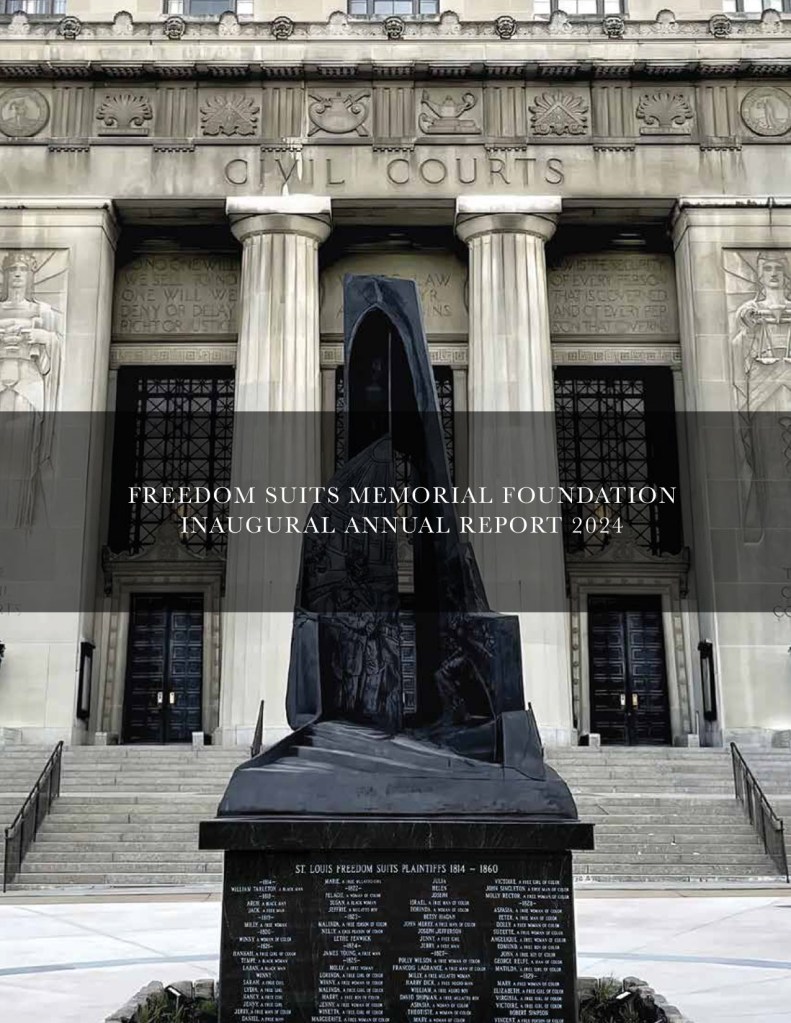
Fellow board member and graphic design artist, Mark Carroll has created a masterpiece with this 22-page chronicle of our first year of being able to earnestly pursue our ambitious educational mission. He and I worked in tandem – I provided the copy about and photographs of our activities and highlights, but Mark’s ability to choose and orchestrate colors, images, type face, all in impactful layouts, makes this an annual report that sets the bar high.
Mark has captured one of our themes – how to connect with our audience both to convey the positive and uplifting aspect of the freedom suits, while also making sure we acknowledge and share the evil and hateful core of slavery in America. We simply do not have sufficient room here for all my comments and observations, so I will offer only a few.
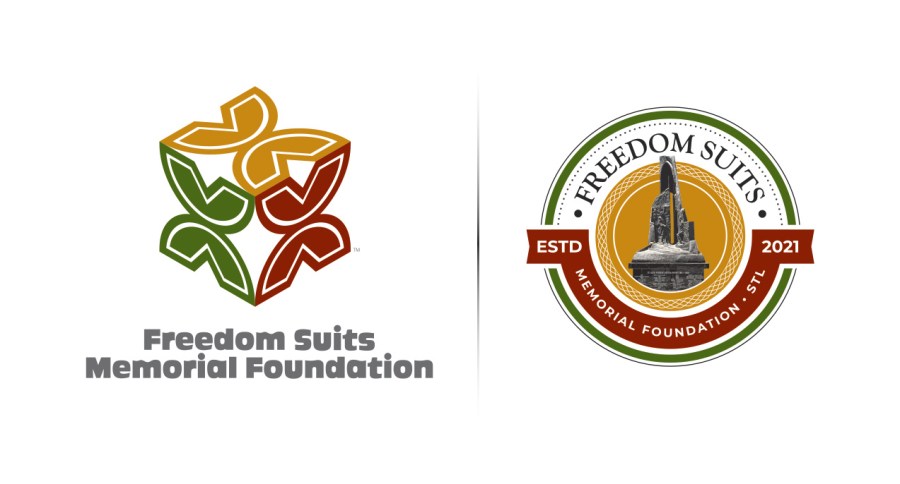
We are proud to show off our Foundation’s logo, which is a multi-dimensional image based on the Ashanti Fawohodie symbol with its theme of “Freedom walks with suffering”. Mark created this and suggested it to our board because its meaning was so spot on for what the freedom suits plaintiffs bittersweet success. For them, the most freedom the law would grant was a jury’s verdict that they were not the property of someone else. The logo is paired with a seal, in which Mark has captured an image of “Freedom’s Home”, the sculptural focal point of Freedom Plaza.
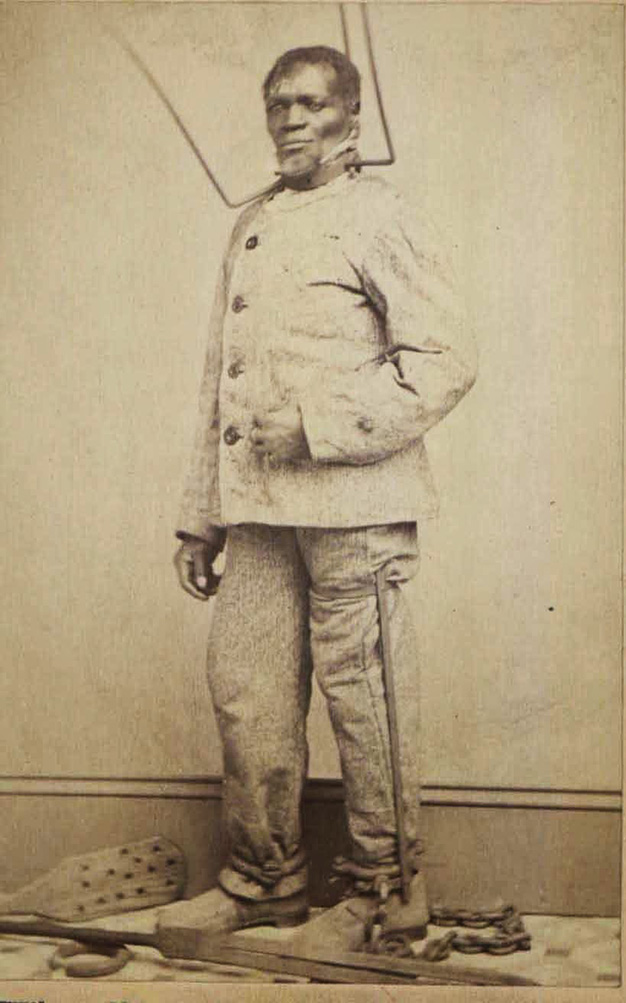
This device was apparently an instrument of torture used to punish slaves. Notice also some type of brace on his leg. Further pics here, where the New York Times described the “owner” as an icon of cruelty..
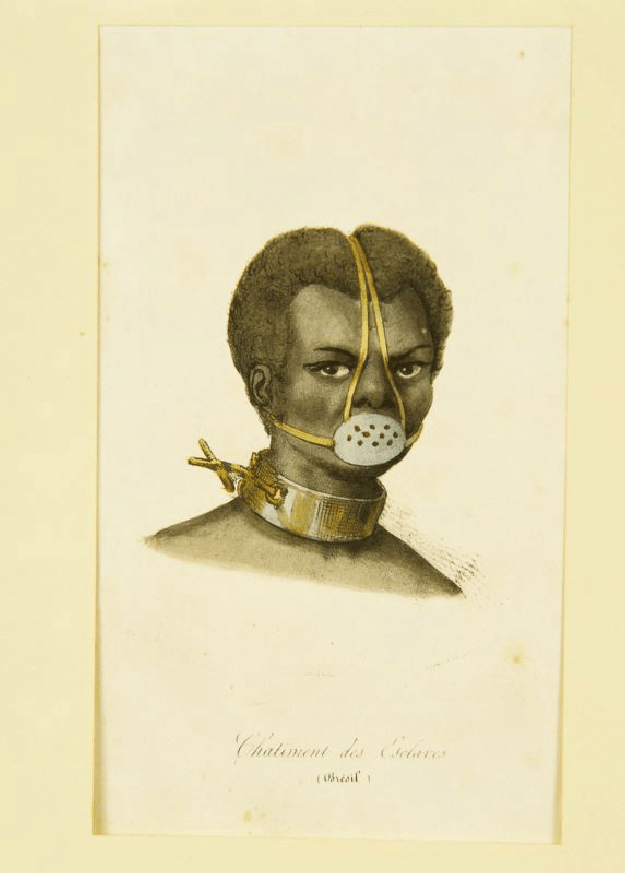
Without an official history, accounts of Anastácia’s life vary, though all agree that she was enslaved. Some place her birth in Brazil, where it is stipulated that Anastácia was born to an enslaved West African woman whom the plantation owner raped, resulting in the first black child with blue eyes. The enslaver had the baby sent away, to hide the evidence of his ‘infidelity’ from his wife.
Other traditions describe Anastácia as herself African-born, a royal princess who was enslaved and shipped to Brazil.[2][3] According to Carlos de Lima, a Brazilian historian, the enslaved princess became a housekeeper on a sugar cane plantation.
In all versions, the enslavers treat Anastácia cruelly. She stoically bears these horrors and treats all people with love. Often she is blessed with tremendous healing powers and performs other miracles. Eventually, she is punished by her owners by being forced to wear a muzzle-like mask, which prevents her from speaking, and a heavy iron collar. The reasons given for this punishment vary: some stories report her aiding in the escape of other enslaved people; in others, she resisted rape by the plantation master; and yet another places the blame on a plantation mistress jealous of Anastácia’s beauty. After a prolonged period of suffering, all the while performing more miracles of healing and peace, Anastácia dies of tetanus from the collar. It is often claimed that she healed the son of the plantation owners, and forgave their cruelty as she died.
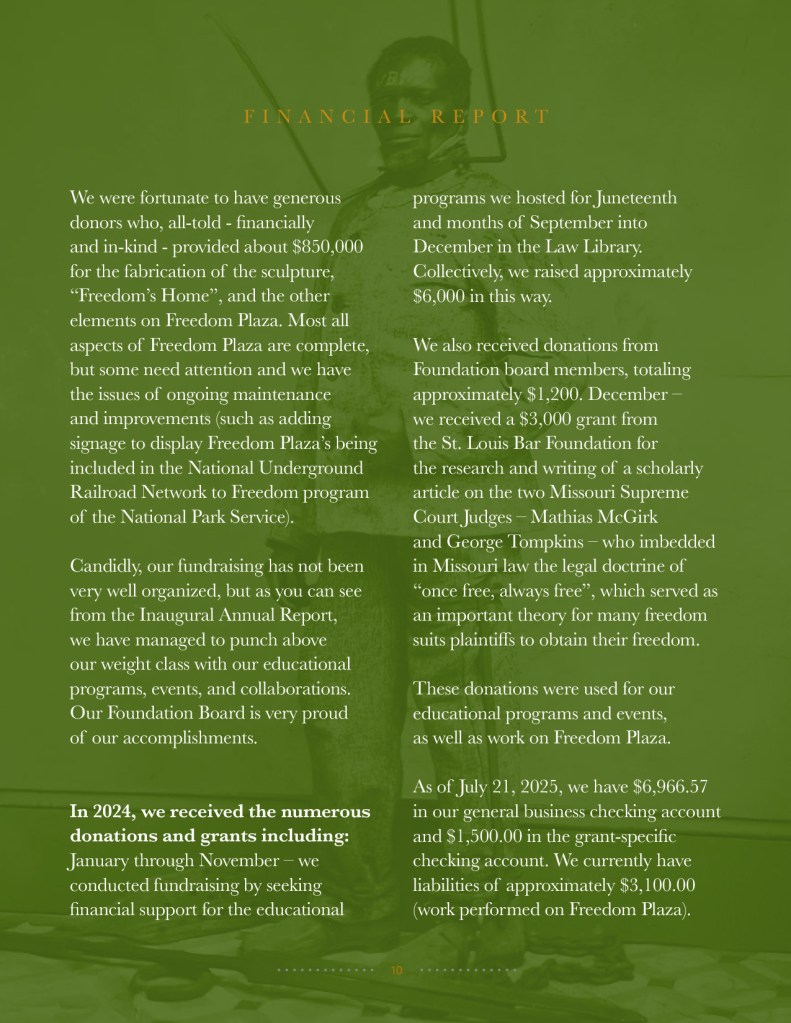
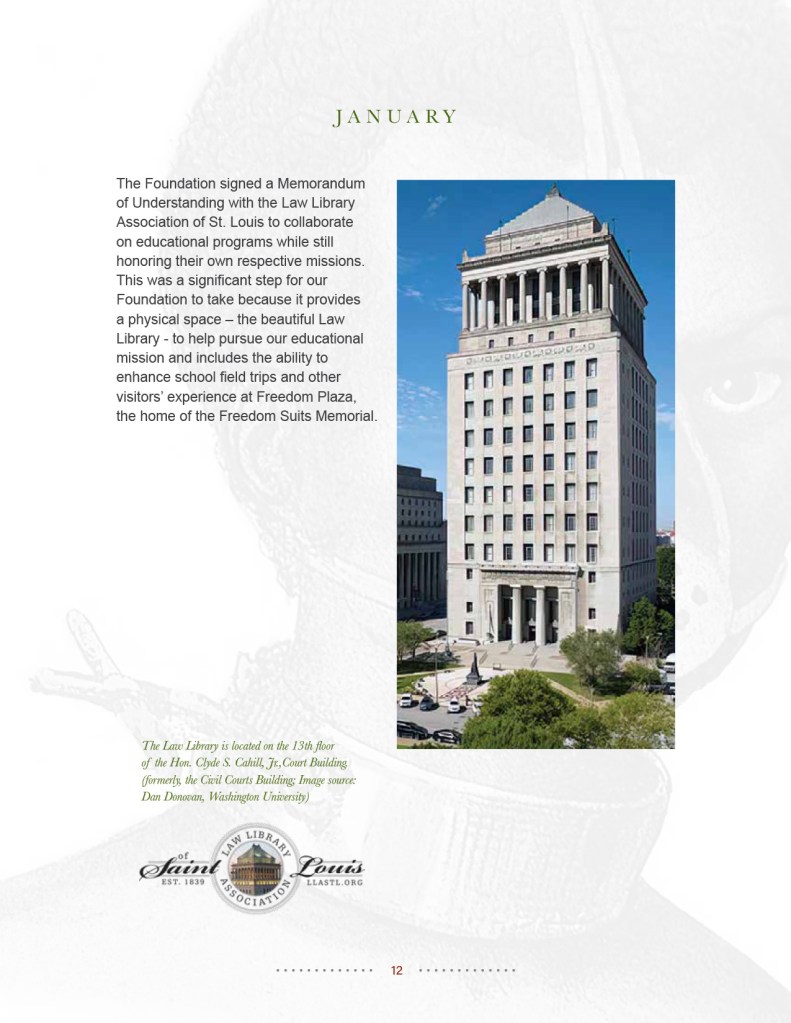
On page 10, the powerful image of an enslaved man in uniform, but also chained and wearing what is called a “slave collar” (some form of which has been used on the enslaved since Roman times). On the back cover, you will see the image of a young woman forced to wear an iron “slave collar” and an iron muzzle over her mouth, with its straps around her head. If you look closely at pages 12 through 20, you will see that Mark has placed a ghost image of that young woman on the white of the pages. Mark independently chose this image because he learned this young woman was muzzled because she was regarded as being so beautiful, she could entrance her enslavers. Mark told me he also thought it connected to the freedom suits because although the plaintiffs could have their “day in court”, the law at the time silenced them in that they were not permitted to testify in court on their own behalf.
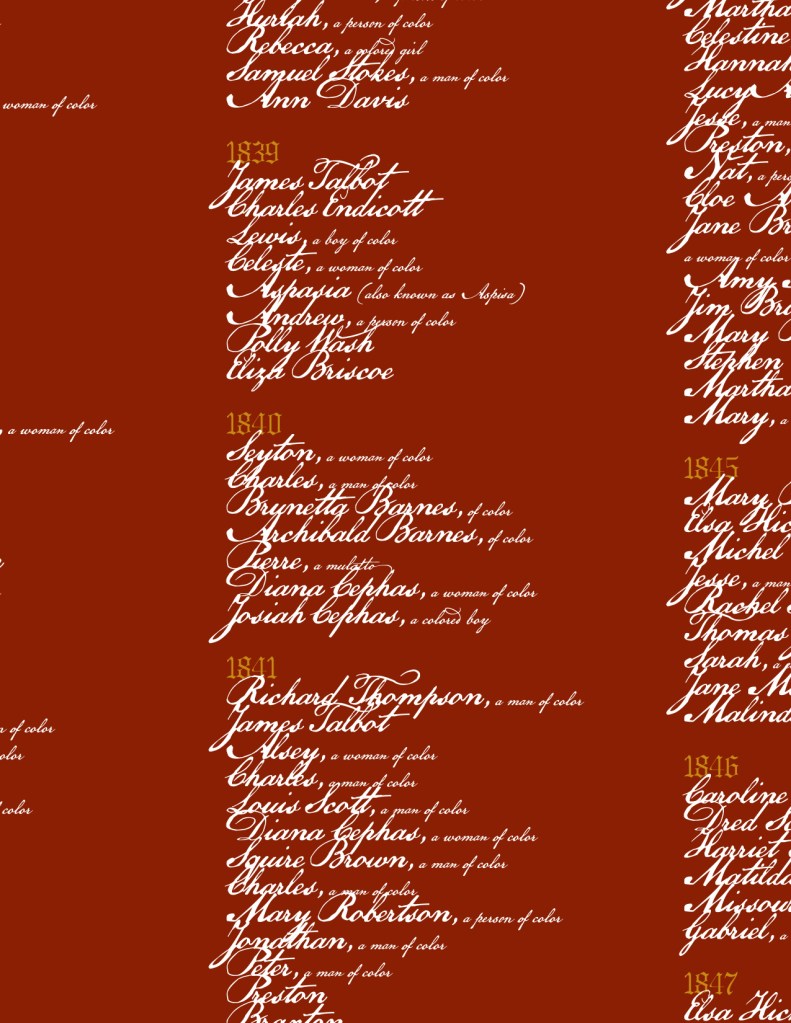
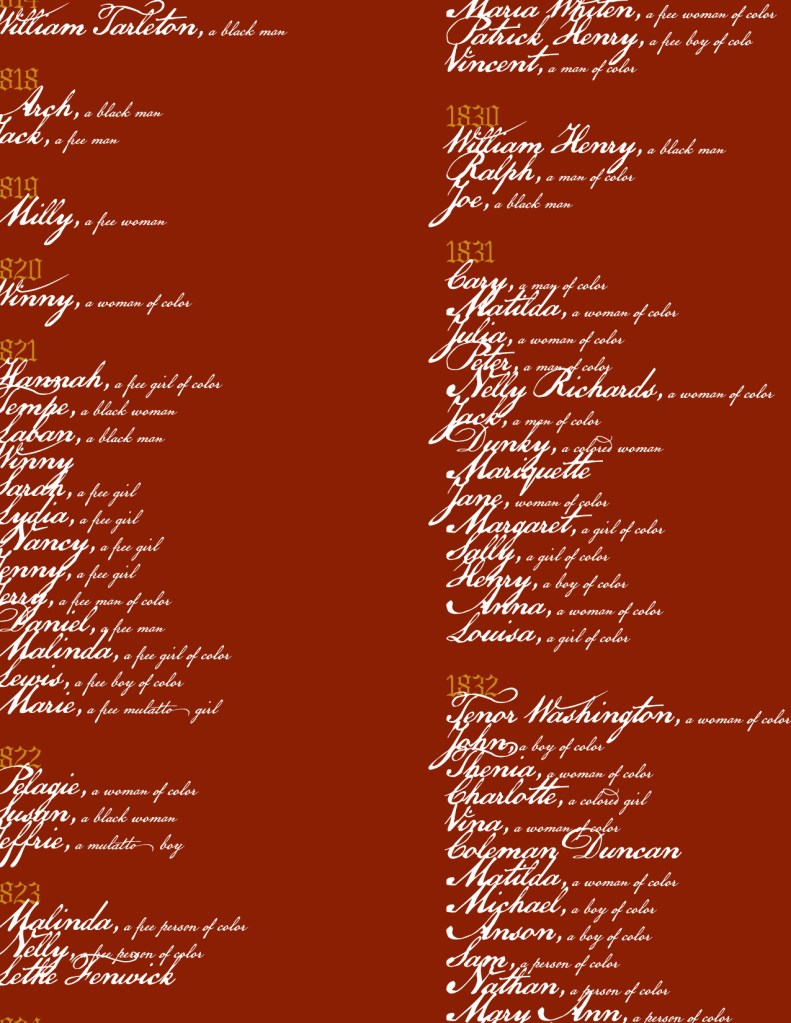
Another thoughtful detail, apart from the blood red background for the inside front and back covers to show the suffering, is Mark’s including the names of the freedom suits plaintiffs who were at the beginning and the end of the “once free, always free” judicial doctrine which created a legal pathway for dozens if not hundreds of freedom suits plaintiffs. The front of that arc is the Winny case, which was filed in 1821 – you can see that on the inside front cover. The end of that arc is attributable to the cases of Dred and Harriet Scott in 1846 (although they lost on appeal in 1852 in state court). To convey the at times heartbreaking reality that as great a job as was done in “rediscovering” these freedom suits, we must accept that we only know a fraction of the human stories, none of these three plaintiffs’ names are completely visible; nor is the year of their cases.
Even after all this, I still have not begun to share with you the substantive content of this annual report! You will have to see it for yourself. I feel it is my place to say, however, how proud I am of the work of our board members and others who helped them in carrying out all their work in 2024! It was a great year, especially given that it was our first full year! We also had a wonderful 2025 and are optimistic we will have that annual report “published” in mid-April 2026.
Our entire board hopes you feel as we do, that this annual report fulfills our mantra of memorializing and honoring the freedom suits freedom seekers and those who helped them.
Please feel free to download and share our Inaugural Annual Report with your community of family, friends and colleagues.
 FREEDOM SUITS MEMORIAL FOUNDATION