
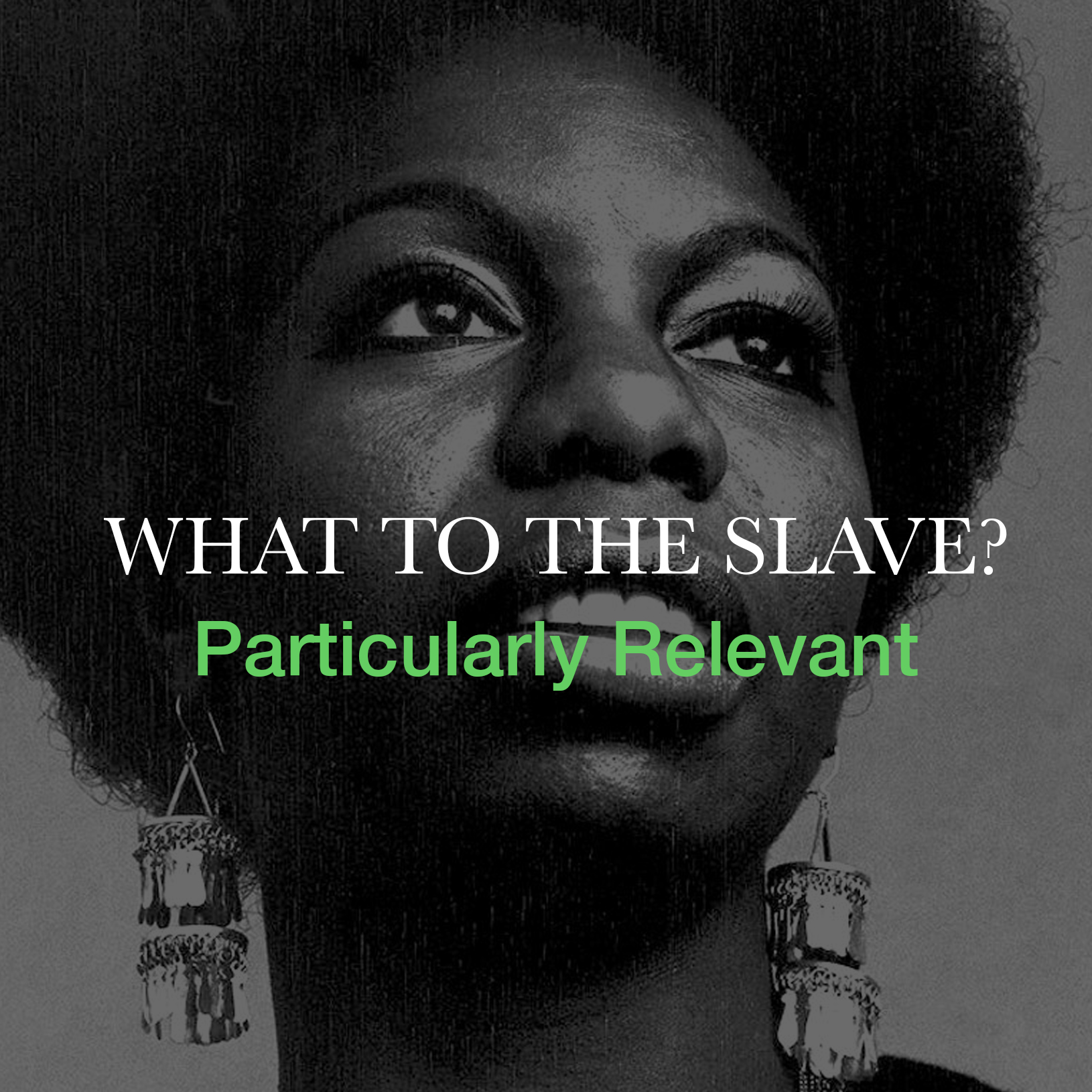
On this day, we remember Nina Simone’s famous quote about “freedom.”
“I’ll tell you what freedom is to me: No fear!”
This quote encapsulates her view that true freedom is not just a legal or political concept, but a state of being free from fear. She elaborated on this by saying it’s a feeling, like the feeling of being in love, which is hard to describe but you know it when you experience it. She also mentioned having felt truly free on stage a couple of times, and that feeling is something else entirely.
You can watch this video to hear Nina Simone’s quote about freedom:
What to us now, is the fourth of July?
Remembering Fredrick Douglass’ 1852 address, “What to the Slave is the Fourth of July?” offers a particular relevance in 2025.
Referencing a summary of his address from the National Constitution Center, it states: Frederick Douglass was born an enslaved person in Maryland, later escaping into freedom and emerging as one of the leading abolitionist voices in the nineteenth century. In June 1852, he delivered this Independence Day address to the Rochester Ladies’ Anti-Slavery Society. It became one of Douglass’s most famous speeches—criticizing the chasm between America’s Founding principles and the institution of slavery. In the speech, Douglass lamented that Independence Day wasn’t a day of celebration for enslaved people. At the same time, he urged his audience to read the U.S. Constitution not as a pro-slavery document, but as a “GLORIOUS LIBERTY DOCUMENT.”
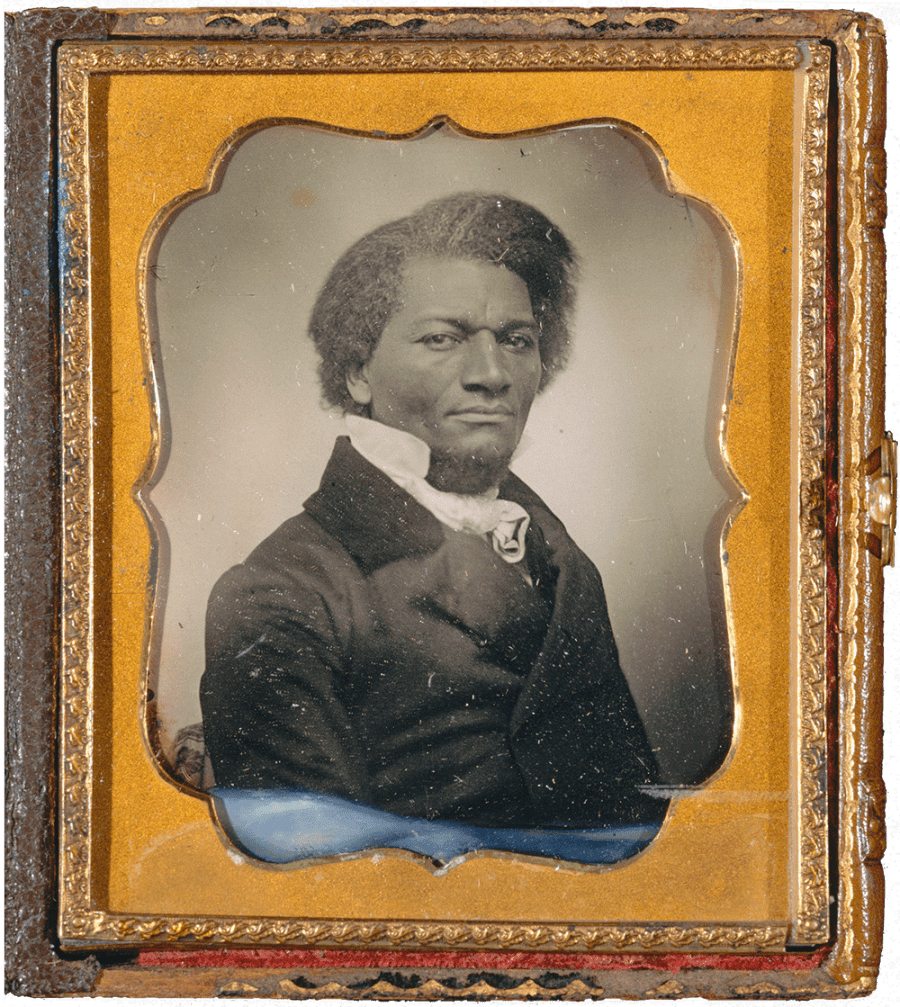
This document’s excerpt arguably delivers its most potent commentary…
Fellow-citizens; above your national, tumultuous joy, I hear the mournful wail of millions! whose chains, heavy and grievous yesterday, are, to-day, rendered more intolerable by the jubilee shouts that reach them. If I do forget, if I do not faithfully remember those bleeding children of sorrow this day, “may my right hand forget her cunning, and may my tongue cleave to the roof of my mouth!” To forget them, to pass lightly over their wrongs, and to chime in with the popular theme, would be treason most scandalous and shocking, and would make me a reproach before God and the world. My subject, then fellow-citizens, is American slavery. I shall see, this day, and its popular characteristics, from the slave’s point of view. Standing, there, identified with the American bondman, making his wrongs mine, I do not hesitate to declare, with all my soul, that the character and conduct of this nation never looked blacker to me than on this 4th of July! . . .
What, to the American slave, is your 4th of July? I answer: a day that reveals to him, more than all other days in the year, the gross injustice and cruelty to which he is the constant victim. . . . I will not enlarge further on your national inconsistencies. The existence of slavery in this country brands your republicanism a sham, your humanity a base pretense, and your Christianity a lie. It destroys your moral power abroad; it corrupts your politicians at home. It saps the foundation of religion; it makes your name a hissing, and a bye-word to a mocking earth. It is the antagonistic force in your government, the only thing that seriously disturbs and endangers your Union. It fetters your progress; it is the enemy of improvement, the deadly foe of education; it fosters pride; it breeds insolence; it promotes vice; it shelters crime; it is a curse to the earth that supports it; and yet, you cling to it, as if it were the sheet anchor of all your hopes. Oh! Be warned! Be warned! A horrible reptile is coiled up in your nation’s bosom; the venomous creature is nursing at the tender breast of your youthful republic; for the love of God, tear away, and fling from you the hideous monster, and let the weight of twenty millions crush and destroy it forever! . . .
Five years later in 1857 just months following the Dred Scott Decision…
On August 3, 1857, Frederick Douglass delivered a “West India Emancipation” speech at Canandaigua, New York, on the twenty-third anniversary of the event. Most of the address was a history of British efforts toward emancipation as well as a reminder of the crucial role of the West Indian slaves in that own freedom struggle. However shortly after he began Douglass sounded a foretelling of the coming Civil War when he uttered two paragraphs that became the most quoted sentences of all of his public orations. They began with the words, “If there is no struggle, there is no progress.”
The entire speech appears here (Source: BlackPast.org)*
#WeMustRemember
 FREEDOM SUITS MEMORIAL FOUNDATION